QEW Mini-Grants: Hope is not a wish. Hope is work.
Written by Al McGrew, Co-convener of the QEW Mini-Grants Working Group
What do the following all have in common?
- Indigenous potato farmers in the Bolivian Altiplano;
- Young women studying environmental sciences at a Friends school in Costa Rica;
- Friends Meetings in New Hampshire and North Carolina seeking to complete their carbon neutral commitments by installing solar panels;
- Pollinator gardens at Friends Meetings in Pennsylvania, Ohio and Iowa;
- Teaching gardening skills and sharing food in Cape Cod, Massachusetts and Handidi Green, Kenya;
- School children from Indonesia to Pennsylvania learning peace while planting gardens;
- A dedicated environmental advocate in Kenya planting trees and introducing nutrition-enhancing permagardens to impoverished families in Mbasa;
- Tree-planters in Burundi, Rwanda, Uganda and the cloud forests of Vera Cruz, Mexico;
- A young man in Rwanda who now seeks to repay an old debt by protecting the rain forest that once sheltered him and his mother during the human insanity of genocide?
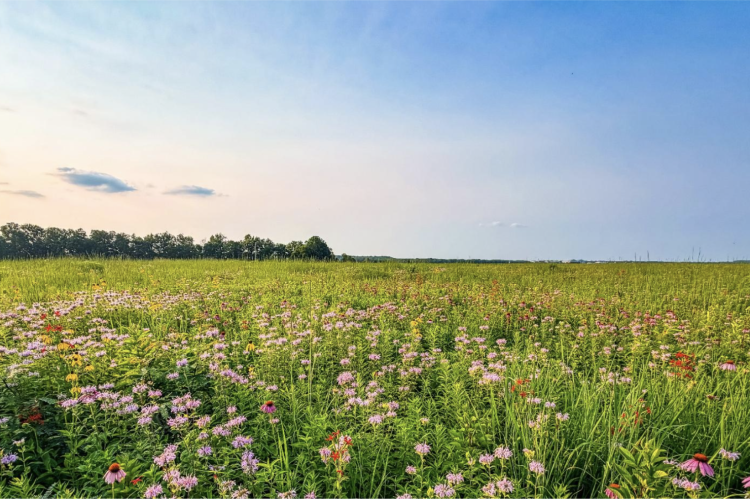
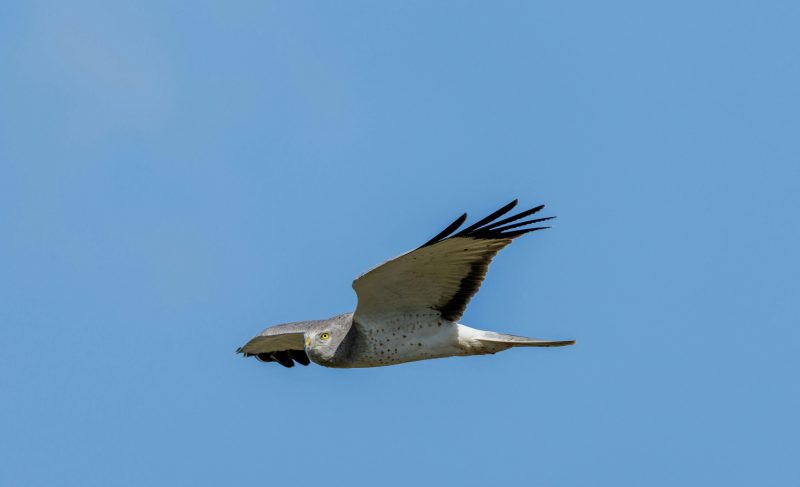
Answer: Like you, like me, like the Harrier gliding over the prairie, or the mother Robin with her beak full of worms, they all belong to the Earth, and depend on it minute to minute and season to season for their survival and well-being. More than that, however, they also seek to protect and restore and give back to the planet that gave us all birth and that nurtures and sustains us, still.
Additionally, all the above were supported with Quaker Earthcare Witness Mini-Grants within the past 5 years.
If you have donated to QEW in the past, you, too, have been part of their work—just as, perhaps unrecognized, you have also been a beneficiary, for our Faith teaches us that we are all connected within this great web of Being. What lifts one, lifts all. What nurtures Earth and brings Her life, nurtures all Her children.
My greatest joy over the past five years has been to join myself to this work, and I would like to invite you to join yourself, as well. Because Hope is not a wish. Hope is work. Hope is the gift of looking down to realize that it is your hands that are plunged into the soil. It is your hands that nurture the Seed.
As co-convener of the QEW Mini-Grants program, I am excited to report that there has been much on the move over the past months as a new, more expansive vision for our programs begins to take shape. New seeds are splitting open and nudging through the soil – but they need your help and support to grow.
Image on the left is of Loving and Caring for the Earth: A Project of Kwibuka Yearly Meeting of Friends, Burundi, a recipient of a QEW mini-grant in 2023.
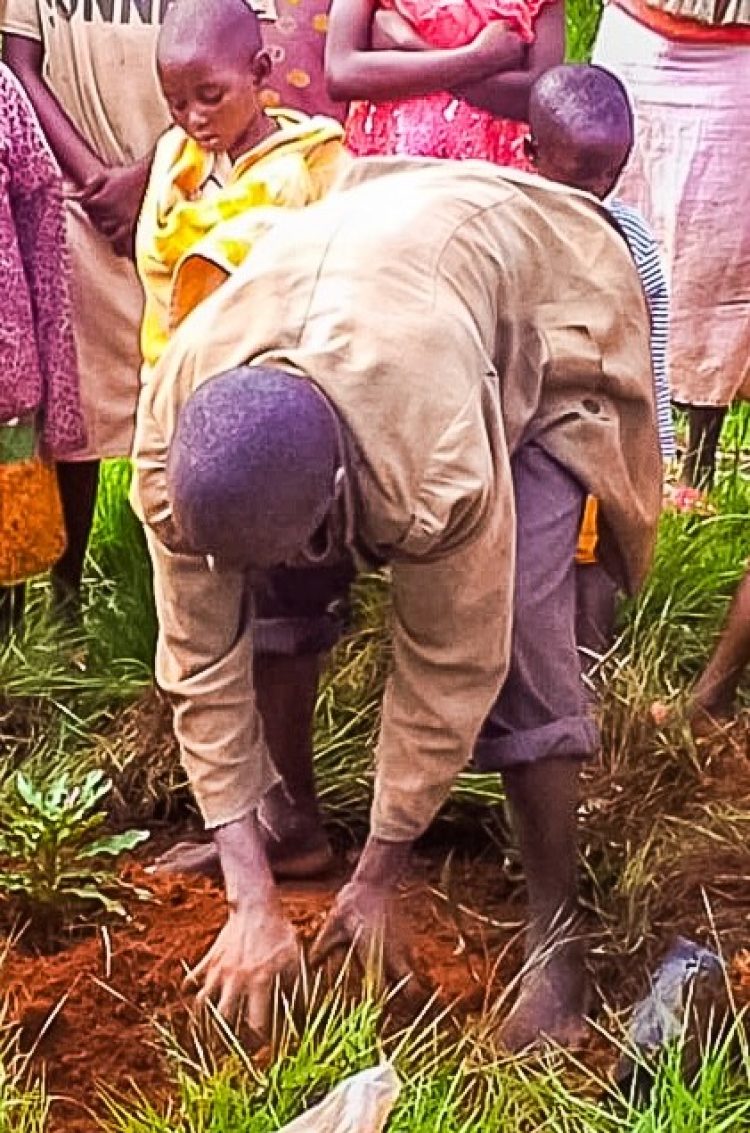
Much of the emerging energy focuses on growing our outreach and expanding our connections with underserved Friends communities beyond the borders of North America – Friends for whom, in many cases, material resources may be as scarce as their Light, energy and vision is abundant. This new growth of connection has been especially evident in our relationships with Friends communities located in the tropics (sometimes referred to as “the Global South”), and especially in Africa.
Why Africa? The largest and most rapidly growing community of Friends in the world is concentrated in the African Great Lakes region. As we have received proposals at an ever-growing rate from Africa, so too has grown my awe and the inspiration I draw from the energy, Spirit-filled vision, capacity and passion of these Friends for the work of healing the Creation. At the same time, climate science and ecology inform us that many of the most vulnerable communities in the world occupy the Global South. The Tropics, including and in some ways especially the African Great Lakes region, are at the epicenter of both the global climate crisis and the biodiversity crisis.
Just a few months ago Friends communities in Kenya were devastated by severe weather and landslides exacerbated by global climate change and unsustainable agricultural practices. At the same time, amending those practices and restoring tropical environments has the potential to store carbon and restore biodiversity at a faster rate and in a more impactful manner than any place else in the world. Should we not reach out to support fellow Friends who simultaneously carry both the greatest environmental risk and the richest opportunities to heal our planet?
Image on the right is of Youth Impacts Development and Environmental Change in Kigali, Rwanda, a recipient of a QEW mini-grant in 2023.
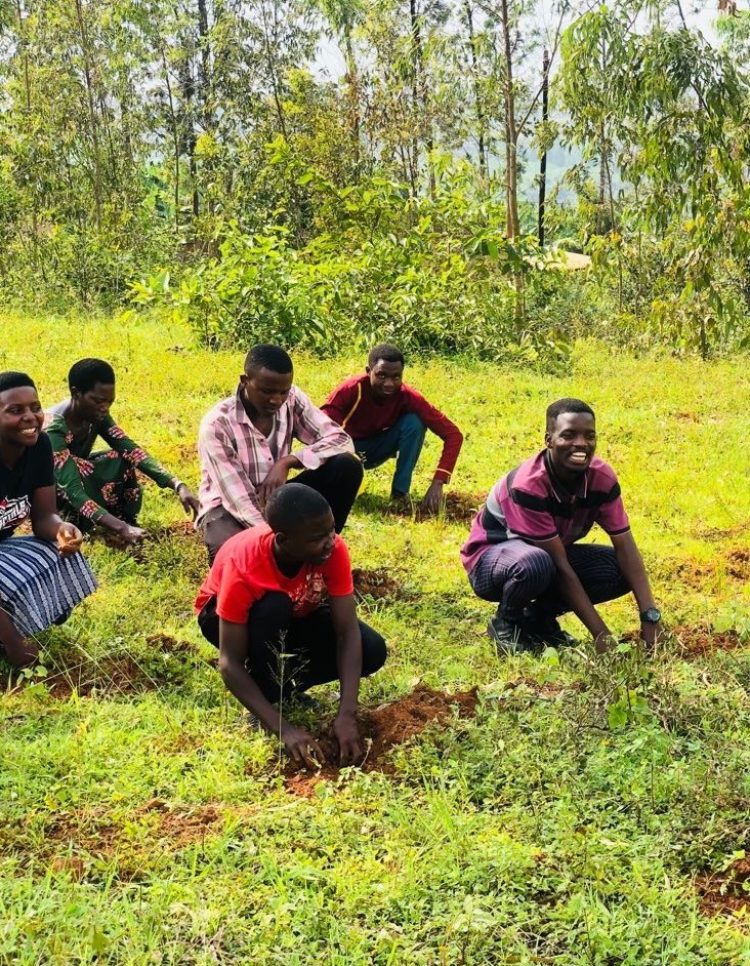
Meanwhile, our knowledge of history tells us that the dark legacy of settler-colonialism and ideologies rooted in exploitation continue to enhance the vulnerability of those in the Global South. Those of us who have reaped the material profits of lifestyles rooted in commercialism and fossil fuel-driven economies must recognize our historic and continuing complicity in putting the world’s most vulnerable at risk. Speaking for myself, I feel that that recognition brings the weight of obligation upon me – an obligation not to feed the past with guilt, but to nourish the future with Hope. Will you join me in meeting that obligation to transform Hope into Action?